
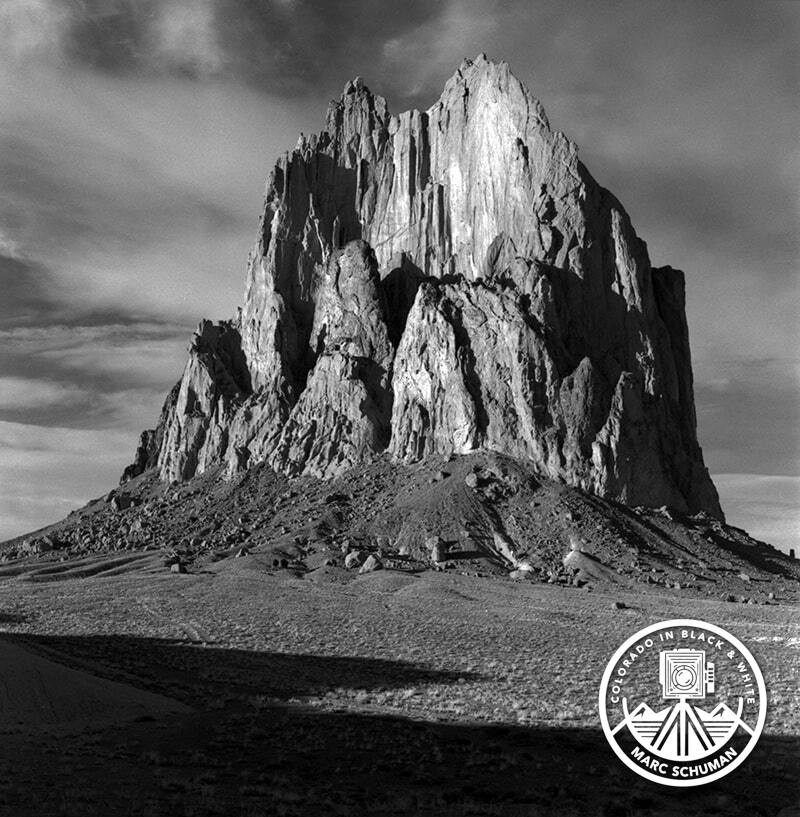
Bathed in bold contrast and endless light, the high desert of New Mexico offers more than scenery—it offers symphony. For those drawn to New Mexico landscape photography, few places match its mysterious interplay of light and shadow. Here, in this world of arid grace, the art of chiaroscuro is not simply found—it is forged by the sun.
Chiaroscuro is the breath between shadow and flame, where darkness does not hide but reveals. Light spills like a secret, carving form from the void. Chiaroscuro lives here—etched in canyon walls and painted on sagebrush plains. It dances where brilliance meets abyss, where sunlight bleeds into shadow. Each hour births a shifting masterpiece, a silent drama cast in gold and indigo. In this raw and radiant theatre, the desert reveals its soul—not in clarity, but in contrast.
The Luminous Drama of Arid Light
What makes the New Mexico high desert so visually magnetic? It’s the clarity of its light. At elevations above 4,000 feet, the thinner atmosphere enhances contrast, painting the land in crisp highlights and inky shadows. Places like White Sands National Park, Shiprock Pinnacle, and the Chihuahuan Desert become natural stages where tonal extremes meet.
As Ansel Adams once said:
“You don’t take a photograph, you make it.”
Here, the high-desert sun becomes a brushstroke across the canvas of the land, allowing photographers to make images rich in depth, emotion, and meaning.
Mastering the Zone System in the Desert Light
In such light-heavy environments, tonal precision is essential. The Zone System becomes your most trusted ally.
- Why it matters here: The desert doesn’t offer soft transitions. It offers starkness. To avoid losing detail in blown-out whites or crushed blacks, you must meter meticulously—placing your mid-tones with care and visualizing each zone before the shutter snaps.
- Pro Tip: Use spot metering to isolate shadows cast by sandstone buttes or mesquite branches. Then expose for texture, not just shape.
When used skillfully, the Zone System reveals every nuance of the desert’s rugged geometry—from the blinding brilliance of gypsum dunes to the graphite-gray folds of volcanic rock.
Where Shadows Speak: Photographic Haunts of New Mexico
This is not just landscape—it’s lightscape. Each location in New Mexico offers a different dialect of chiaroscuro:
- White Sands National Park: At sunrise or dusk, the alabaster dunes form silky waves of light and dark, mimicking brushwork from a Sumi-e painting.
- Shiprock Pinnacle: Rising like a geological monolith, this sacred volcanic plug casts long, elegant shadows that shift dramatically with time and angle.
- Chihuahuan Desert: Sparse vegetation and dry washes exaggerate every contour, letting low-angle light sculpt the land into near-abstract compositions.
These locations are more than subjects. They are collaborators—inviting your lens to engage in a visual dialogue.
Unleashing the Power of Tonal Range
You might ask: “How do I capture the soul of this light?”
The answer lies in contrast—but not just any contrast. Tonal range is your true palette. Fine separation between highlights, mid-tones, and shadows gives your image dimension.
- Avoid relying solely on digital contrast sliders. Instead, use natural shadow play—rock faces, desert flora, canyon walls—to let the tones unfold organically.
- Bracket exposures to capture full detail in both highlights and low-lit textures.
When printed on rich silver gelatin or archival cotton rag, these black and white landscape photographs of New Mexico become visual poetry—evoking timelessness and space.
Marc Schuman’s Lens on Light
This dance of contrast is more than technical. It’s artistic. And it’s here that Marc Schuman steps in—dedicated to crafting images that are as emotionally enticing as they are visually balanced. His black-and-white work encapsulates the essence of New Mexico’s luminous silence, transforming fleeting shadows into timeless prints.
Whether you’re an art collector, interior designer, or a fellow nature-seeker, Schuman’s images become heirlooms of the Southwest’s spirit.
Why New Mexico’s Desert Light Matters
So, why photograph here? Because nowhere else does light fall with such fearless clarity. Nowhere else does shadow feel so sculptural. And for those committed to mastering chiaroscuro, the New Mexico landscape photography experience becomes not just an outing—but a journey of artistic discovery.
Each shadow is a story. Each contrast, a conversation between presence and absence.
A Poetic Farewell
As dusk swells over the desert and the rocks whisper ancient silence, the ghost light lingers—gentle, yet commanding. It is this light that beckons your camera, your vision, your heart. So go—embark on your journey into chiaroscuro. Let the Southwest’s shadows shape your art and its light reveal your voice.
In the end, it’s not about capturing the desert—
It’s about letting the desert capture you.