
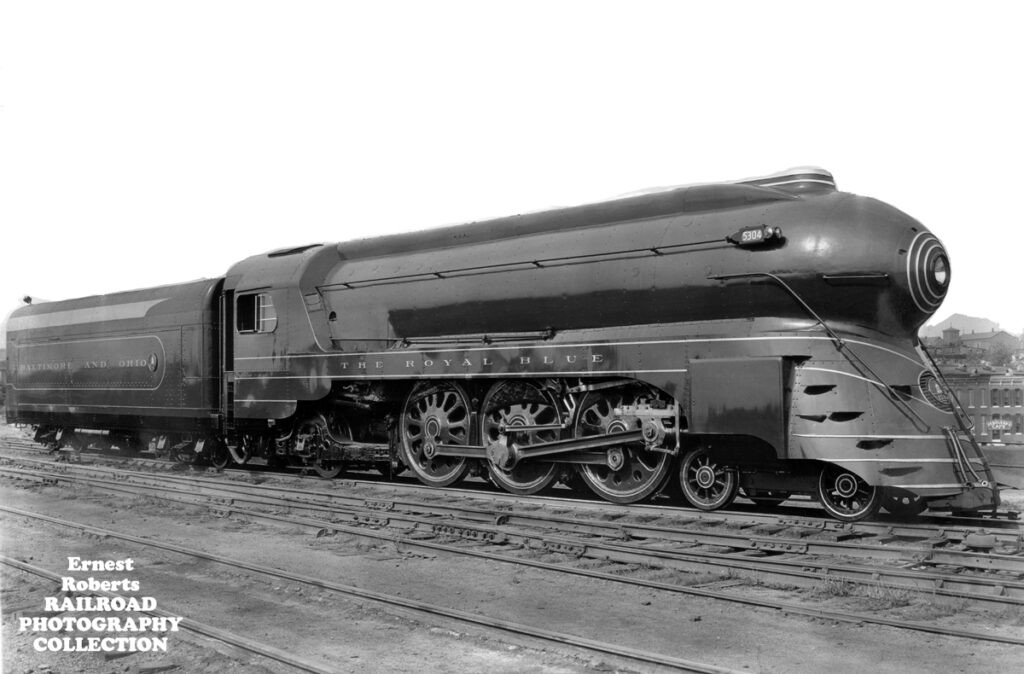
There’s a certain hush in vintage silver halide railroad photographs—a quiet drama in the tones, shadows, and soft grains that speak louder than color ever could. These monochrome masterpieces don’t just show trains—they whisper history, etched in silver and smoke. But what gives these images their unmatched character? Let’s step into the darkroom and trace the chemistry that turns moments into tactile memories.
Silver Halide: The Soul of Vintage Texture
At the heart of every gelatin silver print lies a tiny miracle—silver halide emulsion, a reactive blend of chemistry and craft. When exposed to light, these minute crystals capture not just shapes, but sensation. They preserve the steel and steam of old locomotives with a tactile richness that digital processes simply can’t replicate.
Unlike modern photography, where pixels offer precision, silver halide brings mood. It translates hard iron tracks, swirling smoke, and weathered wood into delicate gradients of grey, soft contrast, and glowing highlights. This is where material history meets fine-art finesse—vintage silver halide railroad photographs have a physicality you can almost touch.
“The grain structure in gelatin silver prints creates a depth that digital imaging hasn’t been able to match. It’s not just an image; it’s an experience,” says a noted, archival print specialist and darkroom educator.
Why Do Gelatin Silver Prints Feel Viscerally Real?
The magic lies in tonal depth. As light hits the silver halide crystals, it doesn’t just record highlights and shadows—it renders the atmosphere. The hissing power of the engine. The fog of coal dust. The tension of waiting wheels. All suspended in the gelatin layer, one layer at a time.
These nuances are especially clear in vintage silver halide railroad photographs of Colorado’s narrow-gauge railways. The snowy passes of the San Juans, the golden aspens of fall, the ghost towns fading into railbeds—rendered with a dimensionality that feels alive.
When seen in person, gelatin silver prints emit a unique sheen—a subtle glow only possible through light-reactive silver particles.
The Texture of Time: Silver Grain and Photographic Truth
What makes vintage black and white railroad photographs so unforgettable? It’s the silver grain structure—organic, uneven, and full of life. Unlike the digital pixel, each grain reacts differently to light. That inconsistency is what gives the photograph its soul.
When captured using classical techniques like the Zone System, this grain becomes storytelling. The blackest blacks of a coal tender. The midtones of a sun-faded conductor’s cap. The luminous whites of mountain fog behind the trestle bridge. It’s tonal harmony at its finest—built by hand in a darkroom, not by code.
And that’s exactly what Marc Schuman does—he creates photos that are not just attractive to the eye but to the imagination. He’s a craftsman, not just a photographer, using traditional lighting and development methods to honor Colorado’s visual heritage.
Why Vintage Railroad Photography Still Moves Us?
You’re not just looking at a train. You’re feeling its thunder. You’re sensing the cold metal, the quiet of the mountains, and the hum of a world that once moved by steam. This is the tactile aesthetic that vintage railroad photography delivers—and why it continues to attract collectors, decorators, and fine-art lovers alike.
It’s not nostalgia—it’s connection. The prints transport you to a moment where time was slower, yet every detail mattered more. If you’re curating a wall that speaks to heritage, craftsmanship, and storytelling, these fine-art photographs are more than decorative—they’re historic impressions, preserved in silver.
Final Frame: Let the Image Speak
Imagine this:
A high-contrast black-and-white print of the Durango & Silverton train slicing through a snowy gorge. Smoke curls behind the engine like a painter’s brushstroke. The rails shimmer with reflected light. You step closer. The silver grains catch your eye. And for a second, you hear the train.
That’s the power of vintage silver halide railroad photographs—they don’t fade. They endure. And they move you, long after the last whistle blew.