
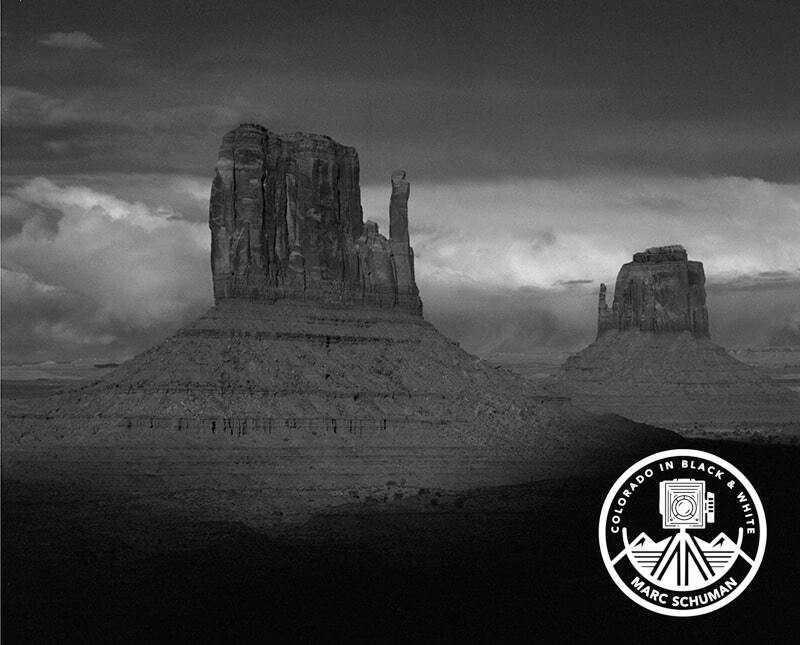
In a world bursting with color, have you ever wondered what is monochrome photography—and why it continues to hold such power over the human eye? This artistic approach, rooted in the use of a single dominant hue (often grayscale), elevates mood, emphasizes texture, and strips the subject down to its purest visual essence. Through this focused lens, black-and-white images transcend time, becoming not just photographs—but fine art. Here’s to quickly knowing a little more about it –
Monochrome: More Than Just Absence of Color
At its core, monochrome photography isn’t simply “black-and-white.” It’s the art of using a limited tonal range to draw out emotions, movement, and depth that color often masks. From deep, velvety blacks to luminous whites—it’s all about nuance, not neutrality.
Why does removing color often make an image more powerful? It’s because it demands more from your eye—and your imagination. The details suddenly matter: the grain of a rock, the subtle contrast between light and shadow, the texture of wind-blown grass. These elements are not just visible—they’re palpable.
Timeless Masters and Their Legacy
For those wondering what is monochrome photography,and how to appreciate it – one must step back into the darkroom traditions of legends like Edward Weston, Minor White, and Ansel Adams. These pioneers didn’t just photograph landscapes—they interpreted them.
Ansel Adams, in particular, revolutionized tonal control with the Zone System, a technique still revered by black-and-white artists today. It allowed photographers to render every detail—from shadows to highlights—with precision and emotional clarity. Minor White, on the other hand, approached monochrome with a spiritual lens, encouraging viewers to “read” images like poetry.
Their influence remains embedded in every fine-art black-and-white photograph developed with intention—especially here in Colorado, where light, land, and texture tell their own quiet stories.
Tone, Texture, and the Art of Stillness
In fine-art monochrome, tone becomes your color palette. You are painting not with red or blue—but with the gradations between pure black and clean white. Every subtle shift in gray holds meaning.
Texture becomes a visual language of its own. The ripples of a mountain stream, the rugged bark of a pine, or the stillness of snowfall—all captured in detail that would be drowned out in color.
And then there’s stillness. Monochrome is the language of pause. Without the noise of color, the eye rests. It lingers longer. And the image—whether of a quiet Colorado valley or a soaring falcon in mid-flight—becomes a moment suspended in time.
Why Monochrome Photography Endures?
In today’s fast-scrolling, saturated digital age, monochrome photography offers something rare: permanence. These images don’t just decorate walls—they invite reflection. They don’t age or fade into trends. Instead, they gain character over time.
If you’ve ever admired monochrome prints of Monument Valley or felt drawn to stark snow-covered aspens, you’ve likely felt this quiet, commanding presence. There’s a reason collectors, designers, and nature lovers continue to seek out high-quality black-and-white prints—they tell the story of a place and a moment in a way color cannot.
A Colorado Lens on Monochrome Mastery
For those captivated by Colorado’s striking landscapes and wildlife, fine-art black-and-white photography provides a timeless way to bring the outdoors in. From the sharp contours of the Rockies to the still gaze of a grazing elk, each print captures not just a scene—but a feeling.
That’s where Marc Schuman comes in. With years of darkroom mastery and a trained eye for composition, he creates photos that are enticing, precise, and emotionally resonant. His work brings together classical techniques—like the Zone System—with the wild, unfiltered beauty of the West.
Are You Ready to See Differently?
So, next time someone asks you what is monochrome photography, you’ll know it’s more than a style—it’s a perspective. One that sees texture where others see noise, that feels depth in simplicity, and that turns every shadow into a story.
Curious to explore how black-and-white can transform your space—or your art collection? Take a moment to explore the curated Colorado prints we offer. You may just find a piece that speaks not just to the eye, but to the soul.
Explore the Collection Today – Discover fine-art monochrome photography that’s as timeless as the landscapes it captures.