
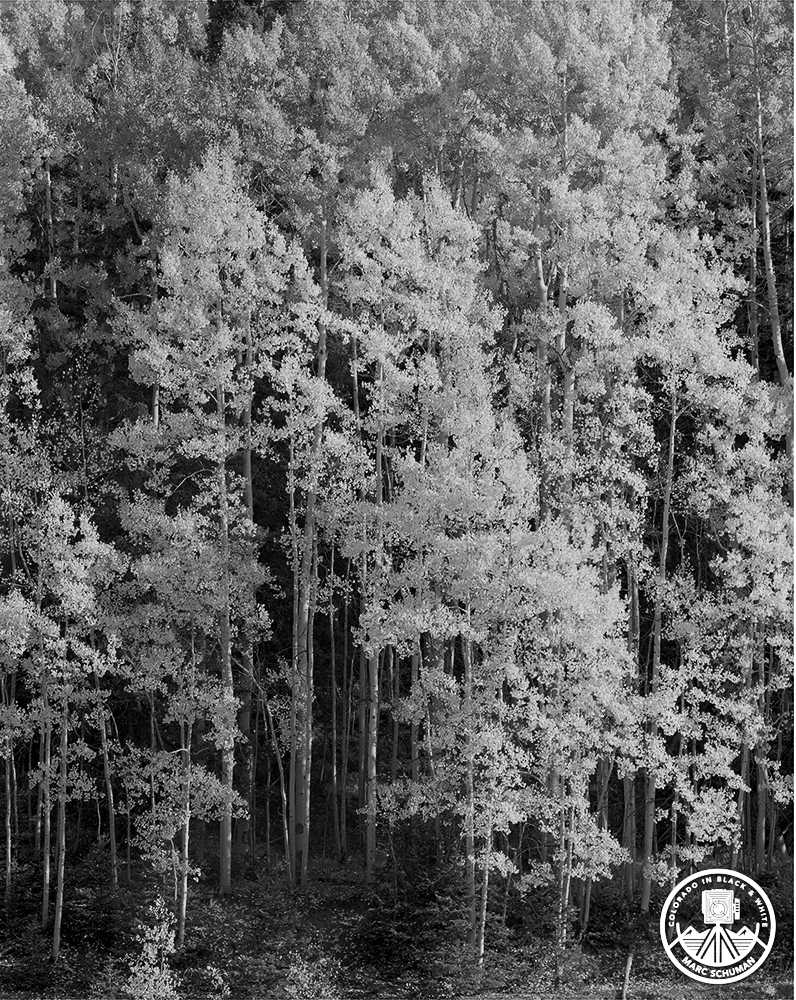
A good art print changes the weight of a room. It gives the eye somewhere to rest, suggests a history beyond the furniture, and can make a familiar wall feel newly considered. Knowing how to buy art prints begins with looking beyond color, subject, and price. The image matters, certainly, but so do the photographer’s intention, the printing process, the paper, and the physical scale of the finished work.
For collectors and thoughtful buyers, a print should not simply fill empty space. It should continue to reveal itself over time.
How to Buy Art Prints: Begin With the Image
Choose an image you want to live with, not merely one that matches a room. A strong photograph has structure: a clear relationship between light and shadow, subject and surrounding space, texture and tone. Black-and-white photography is especially demanding in this regard. Without color to carry the eye, composition and tonal control must do the work.
Consider where the image will hang and how you want it to feel. A broad Western landscape can bring distance and quiet to a living room or office. A railroad study may suit a space with industrial character and a sense of history. Nautical scenes, wildlife, and architectural subjects can establish a more contemplative mood. The best choice is personal, but it should be visually substantial enough to reward repeat viewing.
It also helps to distinguish between an image that is merely attractive and one that has presence. Presence often comes from restraint: a well-placed horizon, weather moving across a mountain range, the dark geometry of a locomotive, or a small point of light held within deep shadow.
Look for the Photographer’s Hand
An art print is not interchangeable with decorative wall art. When purchasing directly from a photographer, you are acquiring a work shaped by decisions made in the field and in the printmaking process.
For film-based black-and-white photography, those decisions can begin long before the shutter is released. Medium- and large-format cameras are frequently used to make photographs with exceptional clarity, rich tonal separation, and a measured sense of composition. Their larger negatives record fine detail in rock, weathered wood, water, steel, and distant terrain. They also encourage patience. Setting up a camera on a tripod, studying the light, and composing under a dark cloth is a very different practice from making a quick exposure.
That discipline is visible in the finished print. In a carefully made photograph, highlights retain their delicacy, shadows have depth without becoming empty, and the image has a physical sense of air and distance. Ask how the work was made. An artist who can speak clearly about negative format, printing materials, and process is offering more than an image file.
Choose the Right Printing Process
Not all photographic prints are the same, even when the image appears identical on a screen. A traditional silver halide fiber-base print is made from a photographic negative in the darkroom. The print is exposed, developed, fixed, washed, and finished by hand. Each stage affects the final result, from the glow of a highlight to the density of a shadow.
Fiber-base silver prints are valued for their tonal richness, archival character, and tactile surface. They require more time and care than mass-produced prints, and that is part of their value. They are made as individual photographic objects, not pulled from a warehouse shelf.
Selected inkjet prints can also be excellent when produced with archival pigment inks and fine-art papers. They may be the appropriate choice for certain images, sizes, or presentation needs. The question is not whether one process is universally superior. It is whether the process serves the image, and whether the artist maintains exacting standards in its production.
Match Print Size to the Wall and Viewing Distance
Buyers often choose prints that are too small. A photograph viewed on a phone or monitor can be difficult to judge at full scale, particularly when it contains subtle tonal detail. Before ordering, measure the available wall area and consider how far away the work will usually be seen.
A small print can be intimate and powerful in a hallway, reading nook, or grouped arrangement. A medium print often works well above a desk, console, or smaller piece of furniture. A large print gives a landscape, rail scene, or architectural image room to breathe and can establish the visual center of a larger space.
Do not measure only the image area. Include the mat and frame in your planning. A generous white mat can give a black-and-white photograph needed space, allowing its tones to stand apart from the wall. If you are placing a print above furniture, the finished framed piece should generally relate to the width of what sits below it rather than appearing like a small afterthought.
Pay Attention to Paper, Finish, and Presentation
Paper is part of the photograph’s voice. Fiber paper has a substantial feel and a surface that complements the depth of traditional darkroom work. Fine-art inkjet papers vary from smooth matte sheets to subtly textured surfaces, each influencing how detail and contrast are perceived.
Glossy surfaces can emphasize density and visual punch, while matte or satin finishes often feel more restrained and are easier to view in rooms with strong windows or overhead lighting. There is no single correct finish. A dramatic image with deep blacks may benefit from one surface, while a softer landscape may ask for another.
For framing, use archival materials: acid-free mats, quality backing, and ultraviolet-protective glazing when possible. Direct sunlight is hard on any work on paper. A well-framed print deserves a place away from prolonged, harsh exposure and areas of high humidity.
Consider Edition, Signature, and Provenance
A signed print connects the collector to the maker. It identifies the work as an intentional photographic print rather than anonymous reproduction. If a work is part of a limited edition, understand what that means: how many prints will be made, whether different sizes belong to the same edition, and whether the artist reserves any proofs.
An open edition is not inherently lesser. Some photographers use open editions to make their work available in more sizes and at more accessible price points. The deciding factor is the integrity of the work and the care of its production. A print made one at a time by the artist can carry real significance whether it is editioned or not.
Keep records of your purchase, including the artist’s name, title, date, print process, size, and any edition information. This documentation is useful for insurance, future framing, and the work’s long-term history in your collection.
Buy From a Source You Trust
The most satisfying purchase often comes from buying directly from the artist or from a gallery that understands the work. You should be able to learn about the image, see available sizes, and understand what will be delivered. Clear information about printing methods and fulfillment is a sign of respect for both the work and the buyer.
At Colorado in Black & White, the emphasis is on photographs made with patience and printed as finished works of art. That distinction matters when selecting imagery of Colorado, the American West, railroads, and other subjects whose visual power depends on nuanced light and enduring craft.
Give yourself time with the image before deciding. The right print will not only suit the wall you have now. It will remain compelling when the room changes, the seasons turn, and you notice one more detail in the light.