
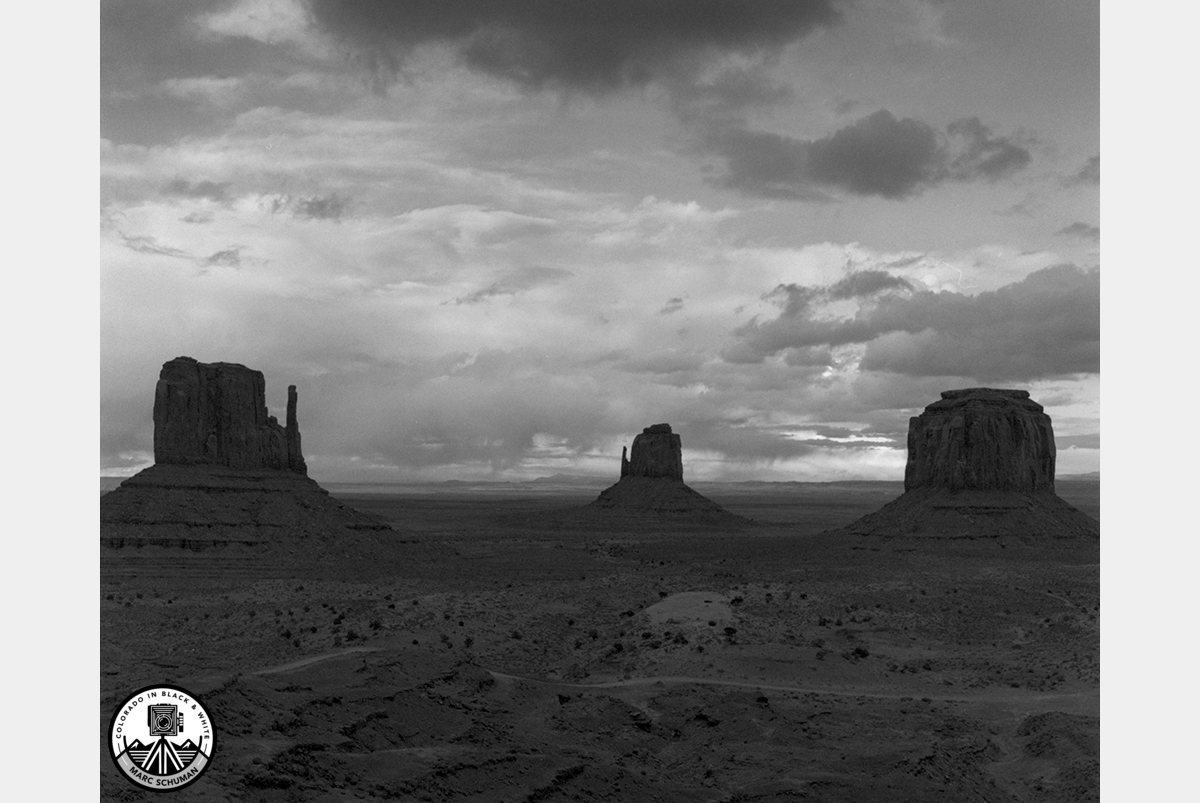
A photograph can record a place, a person, or an event. Fine art photography asks more of the medium. It is less concerned with simple description and more concerned with interpretation, mood, and form. When collectors begin looking at the different types of fine art photography, they are often responding to this difference immediately, even before they can name it.
What separates fine art from general photographic imagery is not only subject matter. Intention matters. So do composition, tonal control, print quality, and the degree to which the final photograph feels resolved as an artwork rather than a visual file. A mountain range, a railroad depot, or a weathered barn can all become fine art subjects, but they do so through discipline of seeing and the care taken in printing.
What defines the types of fine art photography
The categories below are useful, but they are not rigid. Strong photographers often work across several of them. A black-and-white landscape may also function as an architectural study. A wildlife image may carry the stillness and formal balance of a portrait. What matters is the artistic objective behind the image and the strength of the final print.
For collectors and designers, these distinctions can be practical as well as aesthetic. Different genres create different atmospheres in a room. Some bring scale and drama. Others bring intimacy, structure, or historical weight. Knowing the main types helps you judge what kind of presence a photograph will have once it leaves the screen and becomes a physical print on the wall.
Landscape as one of the most enduring types of fine art photography
Landscape is among the most established forms in fine art photography, and for good reason. It offers scale, atmosphere, and a direct way of translating place into visual experience. In the American West especially, landscape photography carries a long tradition of careful observation, where light, weather, geology, and distance all shape the character of the image.
The strongest fine art landscapes are not simply scenic. They are structured. Foreground, horizon, cloud mass, rock face, snowfield, and negative space all have to work together. In black and white, the absence of color places even greater pressure on tonal relationships. The print must hold detail where it matters and restraint where it does not.
This genre works especially well in larger spaces because it can create a sense of openness and depth. But scale alone is not the point. A quieter landscape, printed with delicacy, can be just as commanding as a panoramic vista.
Why landscape often suits monochrome
Black-and-white landscape photography emphasizes form over spectacle. It can make weather feel heavier, stone feel older, and open country feel more timeless. That is one reason monochrome landscape prints continue to appeal to collectors who want something more lasting than decorative color imagery.
Architectural and urban fine art photography
Architecture brings a different discipline. Here the photograph depends on proportion, line, texture, and the relationship between structure and light. Old storefronts, industrial buildings, depots, bridges, courthouses, and urban facades all offer strong fine art potential, especially when photographed with attention to geometry and surface.
In this category, precision matters. Vertical lines, edge control, and balance within the frame can make the difference between a casual document and a finished work. Yet perfection is not always the goal. Sometimes a slight weariness in the subject – cracked masonry, faded signage, weathered wood, rusted steel – gives the image its emotional force.
Architectural fine art photography often appeals to collectors who value order, history, and structure. It can suit both residential and commercial spaces because it tends to carry visual authority without becoming overly sentimental.
Fine art portraiture
Portraiture is one of the most demanding types of fine art photography because it asks the photographer to interpret a person rather than merely record a likeness. The best portrait does not depend on expression alone. Gesture, light direction, background, clothing, and tonal restraint all contribute to the final result.
Fine art portraiture can be formal or understated. It may present the subject with classical clarity, or it may leave room for mystery. Either way, the photograph needs a point of view. If the image says nothing beyond what the face looks like, it rarely reaches fine art territory.
This category can be deeply personal, but it also requires selectivity from buyers. Portraits often carry a stronger narrative identity than landscapes or still lifes, which means their success in an interior depends on the collector’s connection to the image.
Still life and object studies
Still life is often underestimated. In practice, it is one of the purest forms of fine art photography because nearly every element is controlled. The arrangement of objects, the fall of light, the negative space, and the print contrast are all deliberate. There is nowhere to hide.
Common subjects include flowers, vessels, books, tools, antiques, shells, and other objects with texture or symbolic weight. In black and white, still life becomes especially sensitive to surface and shape. Silver, glass, linen, wood, and metal all respond differently to light, and that difference can carry the image.
For collectors, still life photographs can be exceptionally versatile. They tend to work well in intimate spaces where close viewing matters. Their scale may be modest, but their presence can be exacting and refined.
Wildlife and nature detail
Wildlife belongs to fine art photography when the image rises above novelty or natural history illustration. A successful wildlife print is not just about rarity or timing. It is about form, tension, isolation, and the emotional effect of the encounter.
This is where restraint matters. An eagle against a blank winter sky, a bison emerging from snow, or the texture of antlers in side light can become more powerful than a busier scene with more information. Fine art wildlife photography often benefits from simplification, especially in monochrome, where pattern and silhouette become central.
Nature detail is closely related. Feathers, bark, grass, water, ice, and stone can all function as fine art subjects when the composition is strong enough. These images often appeal to buyers who want nature represented with subtlety rather than obvious drama.
Historical and documentary-inflected fine art photography
Some photographs draw their strength from age, memory, and the visible passage of time. Historical subjects, railroads, abandoned structures, maritime scenes, old machinery, and places marked by labor or travel often fall into this category. The photograph may begin with documentary interest, but it becomes fine art through editing, framing, timing, and print interpretation.
This genre carries a particular weight in black and white. Monochrome can remove the distractions of period color and allow the subject’s structure and atmosphere to come forward. A steam locomotive, an old pier, or a weathered mining building can feel less like nostalgia and more like enduring form.
For many collectors, this category offers both visual strength and cultural resonance. It can anchor a room with a sense of place and continuity.
Abstract and minimalist fine art photography
Abstract work strips photography down to essentials. It may use architecture, landscape, shadow, reflections, metal, water, or fabric, but the image is organized around line, shape, rhythm, and tonal contrast rather than straightforward subject description.
Minimalist photography operates similarly, though with greater emphasis on reduction. A single fence line in snow, a lone tree in open fog, or a sharp plane of light across a wall can be enough. These images depend heavily on discipline. They look simple, but they are rarely easy to make well.
Abstract and minimalist prints can be excellent choices for modern interiors, though they also reward experienced viewing. Their success depends less on narrative and more on visual intelligence.
Conceptual fine art photography
Conceptual photography begins with an idea and uses the camera in service of that idea. It may involve staging, symbolism, constructed scenes, unusual juxtapositions, or narrative ambiguity. In some cases, the final image is highly theatrical. In others, the concept is quiet and restrained.
This is one of the broadest categories, and also one of the most variable in quality. A concept alone does not make a photograph meaningful. The image still has to stand on its own visually. When it does, conceptual work can be memorable and affecting. When it does not, it can feel overexplained.
Collectors are often either strongly drawn to this category or not drawn to it at all. Much depends on personal taste and the context where the print will live.
Choosing among the types of fine art photography
Subject is only the starting point. A serious buyer should also consider process, print scale, surface, and tonal depth. The same landscape image can feel entirely different as a small silver gelatin print than as a large contemporary inkjet print. Neither approach is automatically better. It depends on the image and on what kind of physical presence you want.
That is especially true in black-and-white work, where printmaking is inseparable from artistic intent. Rich midtones, controlled highlights, deep blacks, and a paper surface that suits the subject are not technical afterthoughts. They are part of the artwork itself. This is one reason handcrafted prints continue to hold their ground against mass-produced photographic decor.
At Colorado in Black & White, that belief in the print as an object remains central. The photograph is completed not when the shutter is released, but when the image is fully realized in physical form.
The most rewarding fine art photographs are the ones that continue to reveal themselves over time. Whether your eye is drawn to landscape, architecture, wildlife, still life, or historical subjects, the right print should feel settled, intentional, and worth living with for years.