
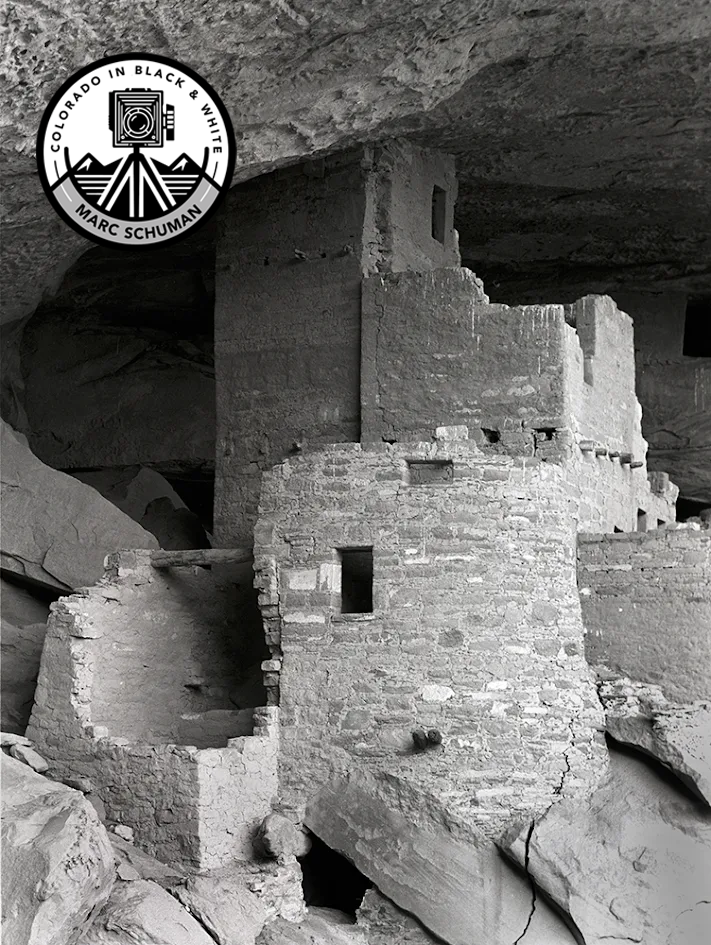
A black-and-white photograph can look perfectly acceptable on a screen, then become something altogether different when it is printed on fiber paper under the careful control of a darkroom. Are darkroom prints worth buying? For buyers who want more than an image that fills a frame, the answer is often yes. A well-made silver gelatin print carries depth in its shadows, delicacy in its highlights, and a physical presence that reproductions rarely equal.
The value is not simply nostalgia for an older process. It lies in the relationship between a film negative, photographic paper, light, chemistry, and the judgment of the person making the print. Each stage affects what ultimately hangs on the wall.
What Makes a Darkroom Print Different?
A traditional black-and-white darkroom print begins with a film negative. The negative is placed in an enlarger, projected onto light-sensitive paper, developed in chemical trays, washed, and dried. The printer determines exposure, contrast, local burning and dodging, and often the final paper surface. Those choices are not automatic corrections. They are part of the interpretation of the photograph.
A silver gelatin fiber-base print has a particular visual character. Blacks can appear rich without becoming empty. Highlight detail can remain open and luminous. Subtle transitions in a cloud bank, weathered wood, snow, stone, or distant mountain haze have room to breathe. In a strong print, the tones between black and white are as expressive as black and white themselves.
Fiber paper also has a material quality that matters when viewed in person. It is heavier and more substantial than the resin-coated paper commonly used for quick photographic printing. Its surface, whether glossy, matte, or softly lustrous, responds to light with a restraint that suits fine-art monochrome work. The result is an object with character, not merely an image applied to paper.
Are Darkroom Prints Worth Buying for a Collection?
They are worth buying when the work, the print quality, and the subject matter continue to reward attention. A darkroom process alone does not make a photograph significant. Composition, timing, light, and the photographer’s point of view still come first. But when a carefully made negative is paired with a carefully made print, the process supports the artistic intention rather than flattening it.
For collectors, there is also value in knowing that the print was made individually rather than pulled from a warehouse inventory. Minor variations between prints are normal in hand printing. They are evidence of direct craft, not a flaw. A print may require several test sheets before the final balance of tones is reached, especially when the image contains bright snow, deep forest, reflective water, or a broad Western sky.
That degree of involvement gives a print a connection to its maker. It is closer to acquiring a finished work from the artist’s practice than purchasing generic decorative imagery. For a home, office, hospitality setting, or institutional collection, that distinction can be felt over time.
The Negative Matters as Much as the Print
The finest print cannot create information that was never recorded in the negative. This is one reason medium and large format cameras remain central to serious black-and-white landscape photography. Their larger negatives hold remarkable tonal information and fine detail, particularly in expansive scenes where foreground texture, distant terrain, and changing skies all need to coexist.
Medium format film offers a substantial step up from smaller formats, making it especially well suited to detailed landscapes, railroads, architecture, and intimate studies of the West. Large format equipment goes further still. Its sheet-film negatives can record exceptionally nuanced tonal ranges, while the camera’s movements allow precise control of focus and perspective in the field.
These cameras are not chosen for convenience. They are heavy, deliberate, and slow to use. The photographer works from a tripod, studies the composition on a ground glass, measures the light, and makes each exposure with intention. That discipline carries into the darkroom. A large negative, printed with care, can produce a photograph that remains compelling at substantial sizes without losing the quiet detail that gives it authority.
When an Inkjet Print May Make More Sense
A darkroom print is not automatically the right choice for every buyer or every image. Archival pigment inkjet printing can be excellent, particularly for very large presentations, images created digitally, or work where a specific paper surface serves the photograph better. It can also be a practical option when budget, turnaround, or matching a larger set of prints is the deciding factor.
The meaningful question is not whether one method is universally superior. It is whether the chosen process fits the image and whether the print has been produced to a high standard. A mediocre darkroom print is not made valuable by its process, and an excellent inkjet print should not be dismissed simply because it was not made in trays.
Still, for photographs made on black-and-white film, particularly from medium and large format negatives, the silver gelatin darkroom print has a directness that is difficult to imitate. The negative and print belong to the same visual language.
What to Look for Before You Buy
Start with the image itself. Does the composition have enough strength to live with for years? Does it draw you back rather than merely match a color scheme? Black-and-white photography is especially effective when it reveals form, light, weather, history, and texture without relying on color for impact.
Then ask how the print is made. A serious seller should be clear about whether a work is a traditional darkroom print or an inkjet print, what paper is used, and whether the artist is involved in production. Size matters as well. A small print can create intimacy, while a larger print can establish a room’s visual center. The right scale depends on viewing distance, wall space, and the detail contained in the image.
Finally, consider presentation. Fiber-base prints deserve thoughtful handling, proper mounting, and archival framing materials. Good framing protects the work from direct sunlight, excessive humidity, and contact with acidic materials. With reasonable care, a well-made silver gelatin print can remain beautiful for generations.
The Value Is in the Experience of Looking
A darkroom print is not purchased only for the scene it depicts. It is purchased for the way light moves across its surface, the way tones reveal themselves gradually, and the sense that someone stood before the subject and later stood again in the darkroom to bring that experience into form.
For collectors drawn to Colorado, the American West, railroads, wildlife, and historic subjects, this matters. Such photographs often depend on patience: waiting for weather, finding the proper viewpoint, carrying medium or large format equipment into the field, and printing until the negative yields its fullest expression. Colorado in Black & White approaches each print as the final stage of that work.
Choose the print that continues to hold your attention after the first glance. If its tonal depth and physical presence make you slow down, a darkroom print has already begun to earn its place on the wall.