
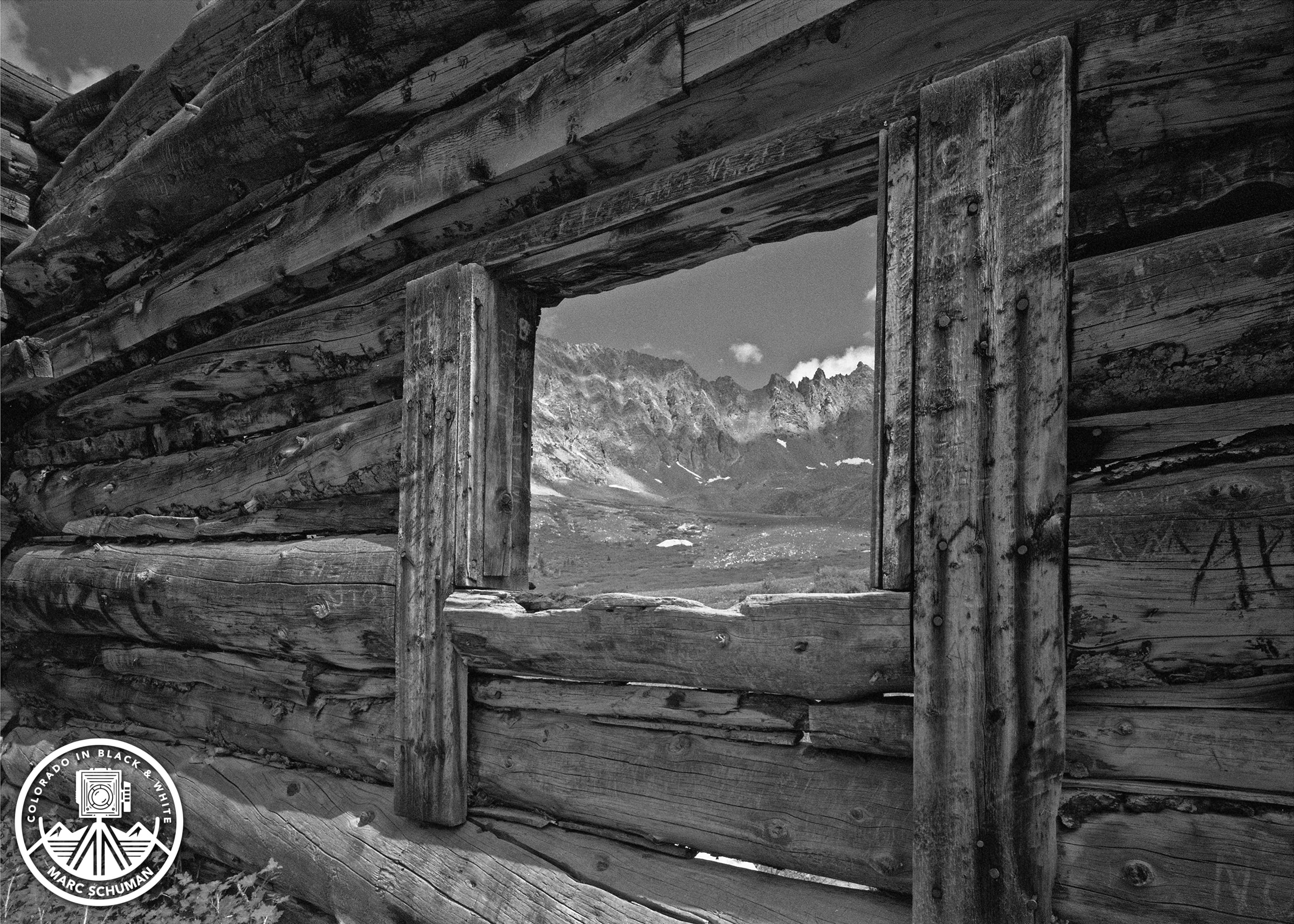
A photograph can be reproduced endlessly, but a fine print should never feel endlessly reproduced. Made to order photography prints are produced for a specific buyer, one print at a time, with attention given to the image, the chosen size, the paper, and the final presentation. That distinction matters when the work is intended to live with you for years rather than simply fill an empty wall.
For collectors, designers, and those furnishing a home or professional space, the value is not only in the scene itself. It is in the evidence of judgment behind the finished object: the discipline of the original exposure, the control of tonal values, and the care taken to bring a photograph from negative to print.
What Made to Order Means in Fine-Art Photography
A made-to-order print is not pulled from a warehouse shelf. It is created after an order is placed. In traditional black-and-white photography, this may mean returning to the negative, selecting the proper paper and size, and making the print in the darkroom. Each sheet is exposed, developed, fixed, washed, dried, and carefully evaluated.
This is especially meaningful with silver halide fiber-base prints. Fiber paper has a physical presence that is difficult to mistake: a rich surface, deep blacks, delicate highlights, and a tonal scale that gives a landscape, railroad scene, or historical subject genuine dimension. The printmaking process allows for local refinements that serve the image itself. A cloud may need a little more separation. A snowfield may need to remain open and luminous. Deep shadow must retain detail without becoming dull.
No two hand-produced prints are mechanically identical. They should be consistent in intention, but the printmaker is responding to the materials and to the photograph every time. That is not a flaw. It is part of the character of an individually produced photographic print.
Why the Original Camera Format Still Matters
The finished print begins long before the darkroom. Much of the work at Colorado in Black & White is made with medium and large format cameras, chosen for their deliberate pace and exceptional negative size. These cameras ask more of the photographer. They are slower to set up, slower to focus, and far less forgiving of casual composition.
That restraint is valuable. A large-format camera encourages careful study of edges, foreground detail, changing weather, and the relationship between light and shadow. The photographer has time to consider whether a line of rails should lead the eye into the frame, whether a mountain face needs the drama of side light, or whether a quiet subject is better served by softer tonal contrast.
Medium and large format film also records extensive detail and a broad range of tones. On a larger print, that information becomes apparent not merely as sharpness, but as visual depth. Rock, weathered wood, water, clouds, and distant terrain hold their own presence. The result is particularly suited to black-and-white work, where form, texture, and luminance carry the entire composition.
A fine print is not improved simply by making it larger. The image must have been seen, exposed, and composed with enlargement in mind. Large-format negatives provide a strong foundation, but the final result still depends on the photographer’s decisions at every stage.
Choosing the Right Print for the Space
Size should be determined by both viewing distance and the role the photograph will play in a room. A smaller print can reward close study in a library, hall, or intimate grouping. Medium sizes often work well above desks, sideboards, or in a collected arrangement. Large prints create a more architectural presence and are often right for a prominent wall, reception area, conference room, or hospitality setting.
Subject matter also affects the choice. An expansive Western landscape generally benefits from room to breathe. A close study of a locomotive, wildlife, or a weathered structure can be compelling at a more restrained scale, where its details are discovered gradually. Interior designers often consider the tones already present in the room, but black-and-white photography has unusual flexibility. Its neutral palette can complement warm wood, stone, steel, contemporary interiors, and traditional settings without competing with them.
Paper and process deserve equal consideration. A traditional fiber-base silver halide print is a natural choice for collectors who value darkroom craftsmanship and the tactile qualities of photographic paper. Selected inkjet prints can also be appropriate, particularly where a specific image, size, or presentation requires that method. Neither process should be treated as interchangeable. The best choice depends on the photograph, the desired scale, and the character you want the finished piece to have.
The Difference Between Art Prints and Wall Decor
Mass-produced wall decor is designed for speed, consistency, and broad appeal. There is nothing mysterious about its purpose. It fills space efficiently. Fine-art photography has a different aim. It asks the viewer to stay with an image and notice its construction: the quiet interval between tones, the weight of a shadow, the shape of a passing storm, or the enduring geometry of a railroad line.
Made to order photography prints carry a closer relationship to the artist’s original intent. The image is not selected by an anonymous product team or adjusted to suit a generic trend. It comes from a body of work shaped by time in the field, knowledge of photographic materials, and a commitment to monochrome interpretation.
For an office, institution, or hospitality setting, that difference can be felt by visitors even when they do not know the technical language of photography. A carefully made print brings visual calm and authority. It has enough substance to remain interesting after the first glance, which is precisely what wall art should do in a space used every day.
A Purchase Meant to Be Lived With
Buying directly from a photographic artist offers a more considered alternative to ordering an image as a disposable commodity. You can choose a work because it recalls a place, fits an interior, or simply holds your attention. The print is then made with the understanding that it is headed for a particular wall and a particular life beyond the studio.
That is the quiet strength of a made-to-order photograph. It begins with a patient exposure, often made on medium or large format film, and ends as an object with its own physical presence. Choose the image that continues to draw you back. Given the right light and the right place, a well-made black-and-white print will keep revealing itself.