
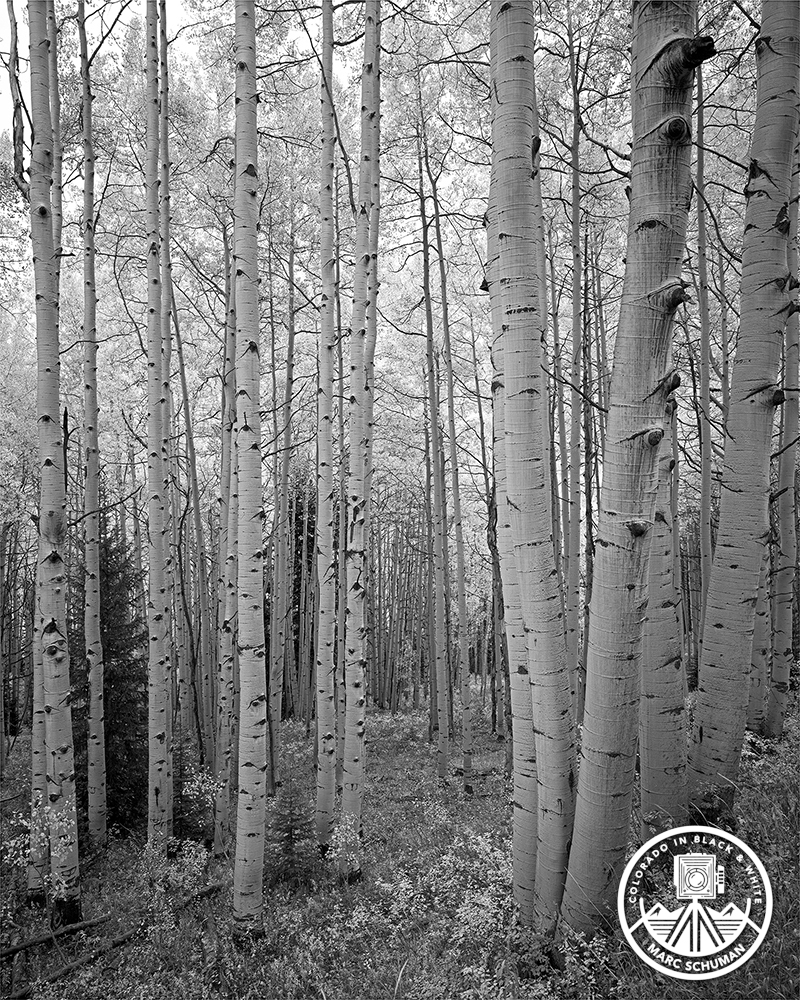
A photograph can change a room without asking for attention. It may be the quiet line of a railroad disappearing into weather, the hard geometry of a mountain ridge, or the silver light on water. The best choices hold their power over time. This guide to buying photo art begins there: with the difference between an image that merely fills a wall and a photographic print you will continue to see.
Start With the Photograph, Not the Empty Wall
A room matters, but the work should come first. Consider the subject that draws you back before considering whether it matches a sofa or paint color. Black-and-white photography is particularly well suited to this approach because it depends on form, light, texture, and tonal relationships rather than fashionable color palettes.
A Colorado landscape may bring a sense of open distance to an interior. A historical structure or railroad scene can introduce human scale and permanence. Nautical imagery often carries atmosphere and motion. The subject need not be literal to belong in a space, but it should have enough visual substance to reward repeated viewing.
Look closely at what the image does with light. In a fine photograph, deep blacks are not simply dark areas, and bright whites are not empty paper. They establish structure, while the grays between them create depth, weather, texture, and mood. This tonal range is one reason a well-made monochrome print can feel more present than a screen image ever suggests.
Consider How the Image Was Made
The process behind a photograph has a direct bearing on its character. Photographs made with medium and large format cameras begin with larger negatives than common 35mm film. These cameras encourage a deliberate pace: composition is studied, the camera is set with care, and the relationship between foreground, distance, and light is resolved before the shutter is released.
That discipline can be visible in the finished work. Large-format negatives are valued for their exceptional detail, smooth tonal transitions, and ability to render subtle textures in stone, clouds, wood, water, and weathered steel. Medium-format equipment offers many of the same benefits while allowing greater flexibility in the field. Neither format automatically makes a meaningful photograph, but both support the precision that serious black-and-white work demands.
Ask whether a print is an open-edition decorative reproduction or an individually produced photographic print. There is a place for both, but they are not the same purchase. A print made one at a time from the artist’s original negative or carefully prepared digital file carries the decisions of the maker into the final object.
Choose the Print Process With Intention
For collectors, the print process is as important as the image. Traditional silver halide fiber-base prints are made in the darkroom, where exposure, development, burning, and dodging are controlled by hand. The paper has a physical depth and a luminous response to light that cannot be reduced to a product description. Each print is made individually, and slight variations are evidence of a handmade process rather than a defect.
A carefully produced inkjet print can also be an excellent fine-art object, particularly when the image and paper have been selected for their tonal character. The question is not which process is universally superior. It is whether the process serves the photograph and whether the printer has exercised judgment over paper, density, contrast, and finish.
Before buying, understand the stated materials and how the work is produced. Fiber-base darkroom prints appeal to buyers who value traditional photographic craft and a direct connection to film. Inkjet prints may offer formats or images that are best realized through contemporary printing methods. Both deserve proper framing, careful handling, and placement away from direct sunlight.
Let Scale Create Presence
Many buyers choose a print that is too small because they are judging it from a thumbnail. A photograph that feels adequate on a monitor can disappear above a sofa, across a dining room, or in a hospitality lobby. Stand back from the intended wall and consider viewing distance. Larger rooms and longer sightlines generally call for larger work.
Scale also changes the experience of the image. A small print invites close inspection and can be ideal for a study, hallway, or intimate grouping. A large print gives a landscape room to breathe, allows detail to emerge, and establishes a clear focal point. There is no fixed formula, especially in spaces with low ceilings or heavy furnishings, but the work should have enough visual authority for its setting.
Framing adds another layer of proportion. A generous mat can give a smaller photograph distinction, while a large image may benefit from a simpler presentation that keeps attention on the print. If the print will live among other works, think about whether it should converse with them or stand apart.
Buy for the Long View
Fine photo art is not a seasonal accessory. Choose work that has a genuine connection to your experience, your sense of place, or the atmosphere you want to create. The strongest acquisition is often one that reveals more over months and years: a detail in shadow, a distant line of trees, the tension between an old structure and an approaching storm.
It is also worth buying directly from an artist when possible. You gain clearer information about the image, its making, available formats, and intended presentation. At Colorado in Black & White, that relationship is grounded in film-based photography, frequent use of medium and large format equipment, and prints produced with attention to the tonal integrity of the original image.
A photograph does not need to explain itself to earn a place on your wall. Give it room, choose it with care, and let its light, form, and patience become part of the life of the room.