
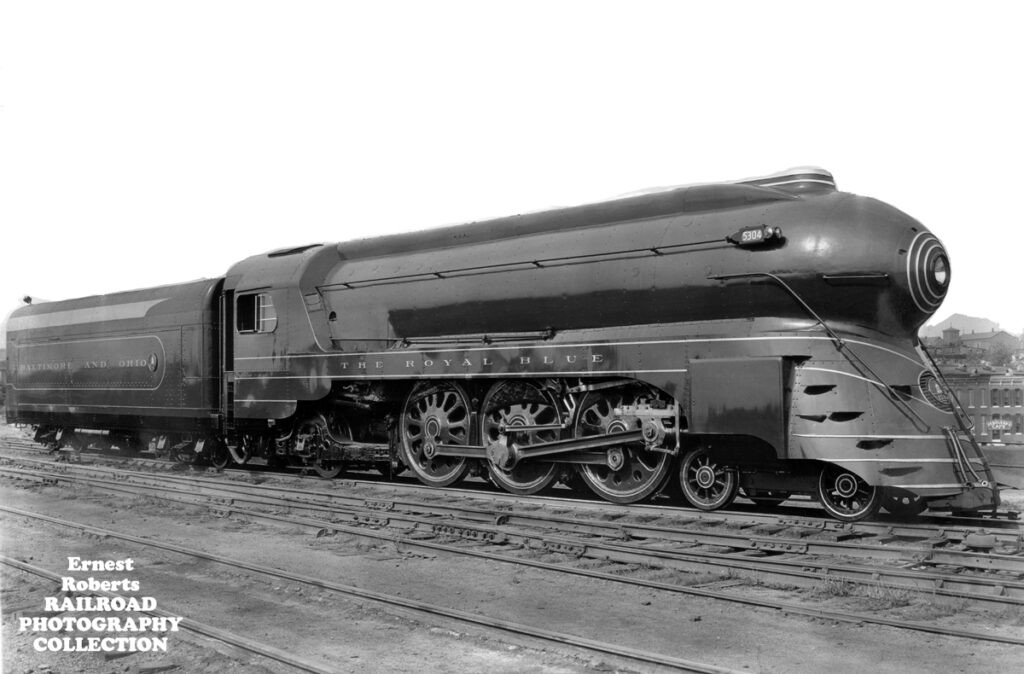
A railroad photograph succeeds when it conveys more than a locomotive. It must suggest weight, motion, labor, distance, and the long human effort required to place rails through difficult country. Black and white railroad photography prints are especially suited to that task. By removing the distraction of color, they bring attention to the essential materials of railroading: coal smoke, polished steel, weathered wood, stone ballast, snow, dust, and light falling across a right-of-way.
For collectors, railroad imagery can be a record of industrial history. For others, it is a powerful study in line, scale, and atmosphere. A carefully made photograph of a train moving through the American West can carry both meanings at once. It can honor a particular machine or route while standing as a composition that remains compelling long after the details of the scene have passed into history.
Why Black and White Railroad Photography Endures
Railroads are naturally graphic subjects. Parallel rails narrow toward the horizon. Telegraph poles establish a measured rhythm. A roundhouse, bridge, depot, or mountain grade gives the eye a clear structure to follow. In monochrome, these forms become even more pronounced. The photograph depends on arrangement, contrast, texture, and tonal relationships rather than the immediate appeal of color.
That restraint gives black-and-white railroad work its lasting character. The viewer notices the white edge of steam against a dark hillside, the sheen of a rail disappearing into shadow, or the deep black of a locomotive emerging from a winter storm. Such details create a sense of physical presence. They also place railroading in its proper landscape, whether that landscape is a narrow Colorado canyon, a high plains crossing, or a crowded industrial yard.
Film-based photography is particularly well matched to these subjects. Its tonal scale can hold delicate detail in smoke and sky while retaining the density needed for a locomotive, tunnel portal, or stand of dark timber. The goal is not simply a dramatic black-and-white image. It is a print in which every important value has been considered, from the brightest highlight to the deepest shadow.
The Difference Between an Image and a Fine-Art Print
A railroad image can look effective on a screen and still fail as a print. Screens are bright, backlit, and fleeting. A photographic print must hold attention under ordinary room light. It needs enough tonal separation to read from across a room, enough detail to reward close viewing, and a surface that suits the subject.
This is where printmaking becomes part of the photograph rather than an afterthought. In a traditional darkroom silver halide fiber-base print, exposure, paper choice, contrast, local burning, and dodging all influence the final result. A cloud may need a little more presence. The side rods of a locomotive may require separation from a dark background. The shadow beneath a train may need to remain deep without becoming empty.
Those decisions cannot be fully automated. They are made one print at a time, in response to the negative and the intended scale of the finished work. An inkjet print can also be an excellent choice when produced with archival materials and careful tonal control. The distinction is not merely the printing method. It is whether the photographer has shaped the print with the same discipline used to make the original exposure.
A handcrafted print also has a quieter authority than mass-produced wall decor. It does not need exaggerated contrast, artificial grain, or novelty treatment to announce itself. Its strength lies in the integrity of the image and the care given to its physical form.
Choosing Black and White Railroad Photography Prints for a Space
The right railroad photograph depends partly on the room and partly on the response it creates. A large print of a locomotive on an open grade can give a living room, lobby, or office a strong sense of scale. A smaller image of tracks, a signal, or an abandoned depot may be more intimate, inviting the viewer to step closer.
Consider the direction of movement within the composition. A train entering from the left or right can influence how the work feels on a wall, especially near doorways, windows, or furniture. An image with a broad sky or open snowfield brings visual quiet to a room with many competing elements. A dense yard scene, with engines, poles, steam, and converging rails, can become an absorbing focal point in a more restrained interior.
Size matters, but it is not only a question of filling wall space. Larger prints reveal the full range of texture in a scene: rivets, weathered paint, cinders, mountain rock, and drifting vapor. Smaller prints can feel jewel-like and contemplative, particularly when matted and framed with generous breathing room. If the image will be viewed from several feet away, it should retain a clear structure at that distance. If it will be seen close up, fine detail and print surface become more significant.
Framing should support the photograph rather than compete with it. Simple black, dark wood, or natural wood frames often work well with monochrome railroad subjects. A white or warm off-white mat can give the image room to breathe and clarify its edges. For a more direct presentation, a larger print with minimal matting can emphasize the photograph’s scale and material presence. There is no single correct approach. A formal historic interior may call for a different treatment than a contemporary office or a mountain home.
Subject Matter: Steam, Diesel, and the Landscape Around Them
Steam locomotives have an obvious visual drama. They create their own weather, throwing smoke and steam into the air and leaving a visible record of exertion across the frame. Their mechanical complexity also rewards black-and-white treatment: rods, wheels, piping, boiler plates, and grime become a vocabulary of texture and form.
Diesel railroading can be equally compelling, though its character is different. A diesel locomotive often belongs to the geometry of the modern railroad – long freight consists, sweeping curves, signal bridges, terminals, and the hard light of industrial spaces. Its power is less theatrical but no less substantial. A strong photograph does not depend on nostalgia. It depends on finding the visual and historical truth of the subject before the camera.
Then there is the landscape. In the West, the railroad is often a measure of human ambition against a much larger terrain. A train beneath high peaks, crossing a trestle, or following a river through a canyon gains force from that contrast. The rails do not merely pass through the scene. They reveal the route that engineers, crews, and communities once had to make possible.
Historical railroad photographs can also hold emotional complexity. They may recall vanished passenger service, working yards, branch lines, or equipment no longer in use. The best of them avoid sentimentality. They acknowledge change while preserving the particular light, weather, and physical evidence of a moment.
What Collectors Should Look For
When evaluating a print, begin with the image itself. Does the composition lead the eye with purpose? Are the highlights controlled, or do they distract? Do the shadows retain shape and detail where it matters? A dark photograph need not reveal every inch of the frame, but its darkness should feel intentional.
Next, look for tonal richness. Railroad subjects often contain difficult extremes: pale steam against bright snow, black engines against deep forest, or sunlit rails in a shadowed cut. A fine print should preserve a convincing range between those extremes. Gray values are not empty middle ground. They are where atmosphere, distance, and surface texture live.
Finally, consider provenance and process. An original photograph printed by the artist has a direct connection to the maker’s vision. For collectors who value traditional methods, a darkroom-produced fiber-base print offers a physical depth and surface character that is difficult to imitate. For any print process, careful materials, thoughtful finishing, and the artist’s involvement are signs that the work was made to endure.
At Colorado in Black & White, railroad photographs are approached as more than transportation studies. They are studies of place, machinery, weather, and the discipline of seeing in tones. Each finished print should reward both the first glance and the hundredth.
A railroad print earns its place on a wall when it continues to reveal something: the curve of a rail in fading light, a plume of steam dissolving into weather, or the small but determined movement of a train across a vast piece of country. Choose the image that gives you that feeling, then give it the space and light it deserves.