
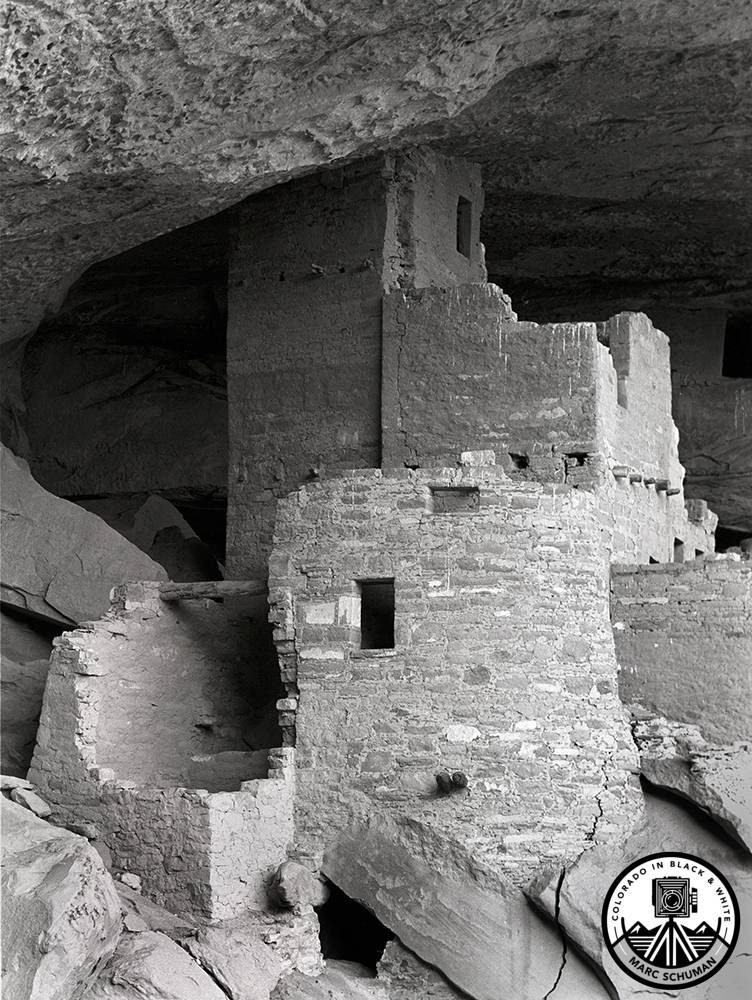
A sharp photograph can show you what something looked like. A fine art photograph asks you to stay longer. It is not made only to record a landscape, a railroad depot, or a weathered barn. It is made to interpret, distill, and give form to a point of view. That is the real answer to what is fine art photography: photography created as an artistic statement, with intention guiding every choice from subject to print.
That sounds simple enough, but in practice the distinction matters. Many photographs are attractive. Far fewer are built to hold attention as works of art. Fine art photography is not defined by expensive equipment, limited editions, or a gallery wall alone. It is defined by authorship, discipline, and the finished print as an expressive object.
What Is Fine Art Photography in Practical Terms?
Fine art photography is photography made primarily to express an idea, mood, or personal vision. The photographer is not just documenting a scene or fulfilling a commercial assignment. He or she is making interpretive decisions at every stage – where to stand, what to exclude, when to release the shutter, how to control tonality, contrast, scale, paper, and presentation.
This is why two photographers can stand in the same canyon at the same hour and produce entirely different results. One may make a competent scenic record. The other may create an image with structure, tension, atmosphere, and emotional weight. The subject is the starting point. The artist’s treatment is what gives it lasting character.
In fine art work, the photograph is usually meant to stand on its own as a complete visual statement. It does not need accompanying copy, advertising context, or editorial explanation to justify itself. Its success depends on composition, light, timing, tonal control, and the coherence of the artist’s intent.
The Difference Between Fine Art and Other Photography
The clearest way to understand fine art photography is to compare it to neighboring categories.
Commercial photography is made to sell a product, support a brand, or serve a client brief. Editorial photography supports a story or documents an event. Documentary photography is often concerned with observation and truth-telling. Personal snapshots preserve memories. None of these categories are lesser forms. In fact, they can be excellent. But their primary purpose is usually outside the photograph itself.
Fine art photography puts the artistic objective first. That does not mean it must be abstract, obscure, or staged. A photograph of a mountain, train, or harbor can still be fine art. The question is not whether the subject is recognizable. The question is whether the image has been shaped as a deliberate artistic expression rather than a simple visual record.
There is overlap, of course. A documentary image can rise to the level of fine art. A commercial photographer may produce personal work with unmistakable artistic depth. Categories are useful, but they are not airtight. The strongest test is still intent, followed by execution.
Intention Is the Foundation
A fine art photograph usually begins before the camera is raised. The artist has some sense of what matters in the scene: stillness, drama, isolation, grandeur, memory, geometry, weather, or time itself. That intention guides what is emphasized and what is sacrificed.
This matters because photography is an act of selection. Every frame includes and excludes. In fine art practice, those decisions are not casual. They are disciplined. A telephoto lens may compress distance to heighten structure. A long exposure may quiet moving water into a luminous plane. Black and white may remove the distraction of color and bring form, texture, and tonal relationships to the front.
The best fine art work rarely feels accidental, even when it captures a fleeting moment. It carries a sense of inevitability, as if the image could not have been made any other way.
Craft Matters as Much as Vision
Vision without control produces inconsistency. Craft is what allows an artistic idea to take finished form.
In fine art photography, craft includes exposure, focus, composition, negative or file quality, printmaking, paper choice, and presentation. These are not technical side notes. They are part of the artwork. A photograph with muddy shadows, blocked highlights, weak printing, or careless scaling can lose much of its authority.
This is especially true in black-and-white photography, where tonal precision carries much of the emotional burden. A monochrome print succeeds through relationships – deep blacks, luminous highlights, open midtones, edge definition, and subtle transitions that give shape to stone, cloud, timber, water, or weathered steel. When handled well, black and white can feel less descriptive and more interpretive. It narrows the visual language and strengthens the composition.
That is one reason traditional darkroom printing still holds such respect among collectors. A silver halide fiber-base print, produced carefully and individually, has physical depth and tonal character that are difficult to fake. Inkjet printing can also be excellent when done with restraint and high standards. The process itself is not a guarantee of quality. The point is that in fine art photography, printing is part of authorship, not an afterthought outsourced to convenience.
Why the Print Is Central to Fine Art Photography
A fine art photograph is often encountered first on a screen, but the work is fulfilled in print. That is where scale, surface, density, and tonal nuance become real.
This distinction is easy to overlook in a culture saturated with digital images. Screens are backlit, temporary, and endlessly replaced. A print has physical presence. It occupies space, responds to changing light, and reveals decisions that a screen can flatten or exaggerate. The paper surface matters. The margin matters. The print size matters. Even the way a viewer approaches it across a room matters.
For collectors and design-conscious buyers, this is more than a technical point. It is the difference between an image file and an art object. Fine art photography earns its place on the wall not simply because the subject is attractive, but because the print has been made with enough care to sustain long-term viewing.
What Collectors Often Look For
Collectors do not all buy for the same reason. Some respond first to subject matter and emotional atmosphere. Others look for process, rarity, consistency, and print quality. Most serious buyers, whether they are furnishing a home, a hospitality space, or a corporate setting, are responding to a combination of visual impact and artistic credibility.
They want to see a point of view. They want confidence that the print was made with care. They also tend to recognize the difference between mass-produced decor and original photographic work. A strong fine art photograph has clarity of purpose. It does not chase trends. It holds its own over time.
This does not mean every fine art print must be austere or academically remote. A photograph can be accessible and still be serious. It can depict a well-known mountain range or a familiar Western scene and still reveal something singular through timing, composition, and printmaking. Familiar subject matter is not a weakness. Predictable treatment is.
Is Every Beautiful Photograph Fine Art?
No. Beauty helps, but it is not enough.
A photograph can be pleasant, decorative, even striking, without reaching the level of fine art. If the image relies mainly on a picturesque subject or a dramatic sky, it may attract immediate attention but offer little beyond that first glance. Fine art photography usually has greater internal order. The forms hold together. The mood feels earned. The print supports the image rather than merely reproducing it.
That said, fine art does not have to be severe or difficult. It simply has to be intentional and fully realized. Some works are quiet. Some are grand. Some are minimal. Some are rich with detail. There is no single approved look.
What Is Fine Art Photography for the Buyer?
For the buyer, fine art photography is a way to live with an artist’s vision rather than a generic image selected to match a sofa. That may sound blunt, but it gets to the heart of the matter.
A serious photographic print brings atmosphere into a room. It can anchor a space, carry a sense of place, and reward repeated viewing. In black and white especially, it often integrates beautifully into interiors because it is structured through tone and form rather than trend-driven color. It can feel calm, exacting, historical, or monumental, depending on the image and the print.
Buyers who value craft also tend to appreciate knowing how a print was made. Was it produced one at a time? Was the artist involved in the printing? Was the paper chosen for tonal depth and permanence? These questions are not marketing ornament. They go directly to value.
For that reason, businesses such as Colorado in Black & White speak not only about subject matter, but about process. When a photograph is treated as a handcrafted object rather than interchangeable wall decor, the difference becomes visible.
The Lasting Standard
Fine art photography is best understood as the meeting point of vision and workmanship. It asks more of the photographer than technical competence, and it asks more of the viewer than a quick glance. The subject may be a mountain, a freight train, a shoreline, a storm front, or an old structure marked by time. What matters is whether the artist has transformed that subject into something ordered, expressive, and enduring.
If you are choosing photography for your walls, that is a useful standard to keep in mind. Look for work that feels considered at every stage, especially in the print itself. The photograph should not merely fill space. It should deepen it.